
Beginner Freediving Techniques That Beat Common Breath Struggles

Let’s be honest — the first time most people try to hold their breath underwater, panic sets in way earlier than expected. Your body starts screaming at you within 30 seconds, your chest tightens, and you shoot back to the surface gasping like you just ran a sprint. Sound familiar?
That feeling doesn’t mean you’re not cut out for freediving. It just means nobody taught you how to breathe properly before you went under.
At Rusty Freediving, we see this all the time with beginners. The good news is that most breath struggles aren’t about lung capacity — they’re about technique, relaxation, and training your nervous system to stop freaking out. Here’s where to actually start.
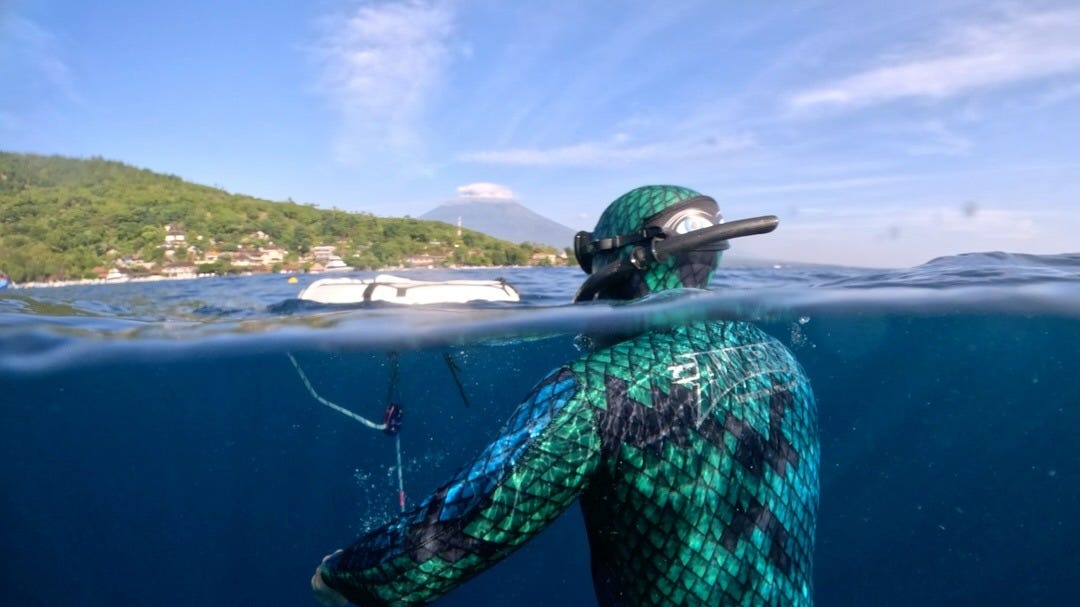
Your Exhale Is More Important Than Your Inhale
This surprises almost everyone. Most beginners think the goal is to suck in as much air as possible before a dive. But stuffing your lungs creates tension in your chest and shoulders, which burns through oxygen faster than you think.
The real secret? A slow, controlled exhale before your breath-up is what primes your body for a longer hold. Freediving breathing exercises almost always start here — learning to breathe out fully before you ever think about breathing in.
Try this on land: exhale completely, pause for two seconds, then let the inhale happen naturally without forcing it. Repeat for five minutes. Your body knows how much air to take in; you just have to stop interfering.
The Breath-Up Isn’t Just Breathing — It’s a Mental Reset
A lot of beginners skip or rush the breath-up because they’re excited to get in the water. That’s a mistake. The breath-up phase is where you calm your heart rate, drop your blood pressure, and mentally prepare to be still.
Good freediving breathing exercises for the breath-up look like this: slow nasal inhale over 4–5 counts, followed by an even slower exhale over 6–8 counts. You’re aiming to activate your parasympathetic nervous system — the “rest and digest” mode that’s the opposite of fight-or-flight. Spending 2–3 minutes on a proper breath-up before a dive makes an enormous difference, especially for beginners who are naturally more anxious in the water.
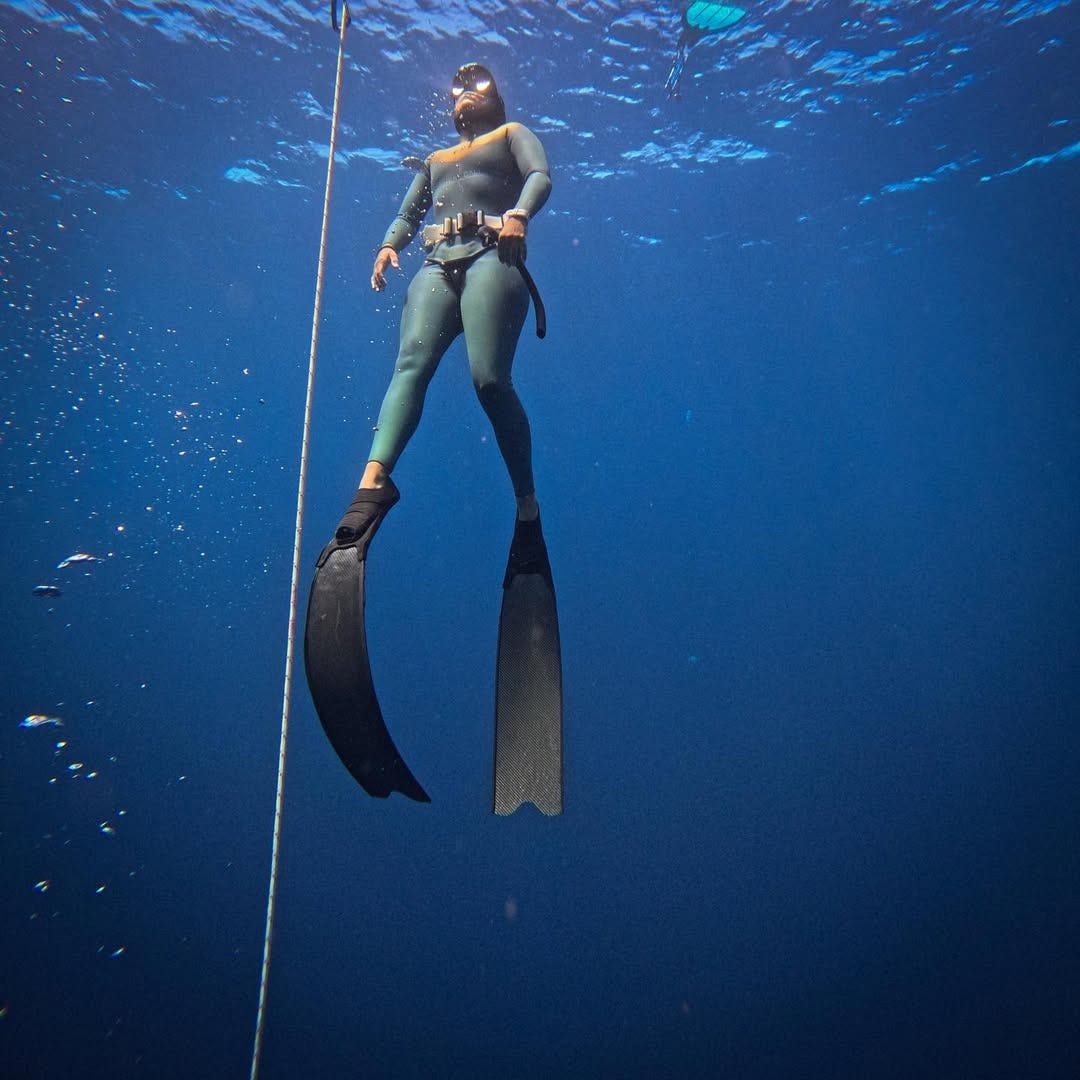
Relax the Diaphragm, Not Just the Mind
When people talk about relaxation in freediving, they usually mean mental calm. But physical relaxation matters just as much — specifically, your diaphragm.
A tense diaphragm makes contractions (those involuntary spasms you feel when CO2 builds up) hit harder and earlier. One of the most underrated free diving techniques is diaphragmatic breathing practice on dry land. Lie flat, place one hand on your belly, and breathe so that only your hand rises — not your chest. This trains the diaphragm to move freely, which gives you more control over contractions once you’re underwater.
Five minutes of this daily, even while watching TV, builds a habit your body will thank you for on every dive.
CO2 Tolerance Is a Skill, Not a Gift
The urge to breathe during a freedive isn’t actually caused by low oxygen — it’s triggered by rising CO2. And here’s the thing: your tolerance for CO2 buildup is trainable. This is where targeted free diving techniques come in, specifically CO2 tables.
A basic CO2 table for beginners looks like this: perform a breath hold, recover with a fixed rest period (say 2 minutes), then hold again. Repeat 6–8 times. The rest period stays the same while your body adapts to tolerating higher CO2 levels before it demands air. Over weeks, those early contractions become less alarming and more manageable.
Don’t rush these. Start with comfortable holds — even 30 to 45 seconds — and build from there. The goal isn’t to suffer through it; it’s to make the process feel familiar.
Stop Fighting the Urge — Work With It
Here’s something counterintuitive: fighting your urge to breathe makes it worse. Tension breeds more tension. When contractions start, beginners usually tighten up, which spikes anxiety and burns the remaining oxygen faster.
The better approach is to acknowledge the contraction and consciously relax around it. Loosen your hands, soften your face, drop your shoulders. Some freedivers mentally scan their body from head to toe during a hold, releasing any tightness they find. It sounds simple, but paired with consistent freediving breathing exercises, it’s one of the most effective tools in any beginner’s toolkit.
Practice Dry Before You Go Wet
Nobody talks about this enough: most of your free diving techniques can and should be practiced on land before you ever get in a pool. Breath-up routines, diaphragmatic breathing, CO2 tables, relaxation scanning — all of it works without water.
Dry training lets you focus purely on the breathing without the added variables of water pressure, buoyancy, and equipment. It also builds the mental habits that become automatic once you’re actually diving.
Set aside 10–15 minutes a few times a week for dry breath work. Your progress in the water will reflect it faster than you expect.
The Takeaway
Breath struggles in freediving almost always come down to the same roots: rushing the breath-up, chest breathing instead of diaphragmatic breathing, and fighting CO2 contractions instead of relaxing through them. None of these are permanent limitations — they’re just gaps in technique that consistent practice fills.
The ocean isn’t going anywhere. Take the time to build your foundation properly, and the depth will follow.