
Mastering Freediving: Top Techniques and Tips Every Beginner Should Know

G'day, freediving fanatics! Ever dreamt of gliding through the Aussie waters on a single breath, becoming one with the underwater world? Freediving – or free diving as some call it – is a truly bonza experience, connecting you to the ocean's depths in a way that scuba gear just can't match. Here at Rusty Freediving, we reckon everyone deserves to experience this magic. That's why we've put together this guide to get you started, packed with freediving tips for beginners and techniques to make your first dives safe and unforgettable. So, grab your bathers and get ready to plunge into the deep blue – we're about to unlock the secrets of mastering freediving!
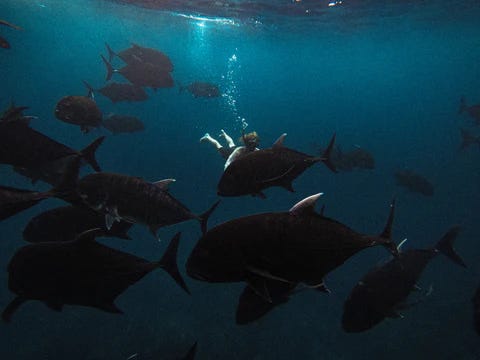
Understanding Freediving
Freediving is a form of underwater diving that relies solely on breath-holding rather than the use of breathing apparatus like scuba gear. This sport requires not only physical skill but also mental discipline. As you begin your journey into freediving, it's crucial to understand the basics and prepare yourself adequately.
Essential Freediving Techniques
1. Relaxation is Key
One of the fundamental free diving techniques is relaxation. When you are calm, your body uses oxygen more efficiently, allowing for longer dives. Practising deep, controlled breathing before entering the water can help you achieve this state of relaxation. Focus on diaphragmatic breathing—slowly inhaling through your nose and exhaling through your mouth.
2. Equalization Techniques
As you descend into the water, pressure increases, which can cause discomfort in your ears. Learning how to equalize effectively is essential for safe freediving. The most common techniques include:
Frenzel Maneuver: This technique uses smaller muscles to push air from your lungs into your nasal cavity without straining your breathing muscles.
Valsalva Technique: This involves exhaling against a closed airway to equalize ear pressure.
Practising these techniques on land before attempting them underwater will enhance your comfort and effectiveness during dives.
3. The Duck Dive
The duck dive is a crucial skill for beginners as it helps you overcome positive buoyancy when entering the water. To perform a duck dive:
Take a deep breath and remove your snorkel.
Relax for a moment before starting.
Use a flutter kick to gain momentum.
Bend at your hips and push down with your arms while keeping your legs straight.
Executing this technique correctly will allow you to dive deeper with minimal energy expenditure.
4. Weighting Yourself Properly
Finding the right amount of weight is vital for achieving neutral buoyancy at depth. To determine this:
Relax on the surface and take a full breath.
Gently pull yourself down using the free immersion technique until you reach about 10 metres.
Observe whether you hover at that depth; if you float upwards, add weight; if you sink, reduce weight.
Proper weighting allows for easier descents and ascents, making your dives more enjoyable.
5. Mastering Fin Techniques
Using fins effectively can significantly enhance your propulsion underwater. The bifin technique, or flutter kick, is commonly taught to beginners as it provides efficient movement without exhausting energy reserves too quickly.
Safety First
While freediving can be thrilling, it's essential to prioritise safety at all times:
Buddy System: Always dive with a partner who can assist in case of emergencies.
Know Your Limits: Stay within your comfort zone and avoid pushing yourself too far too quickly.
Stay Informed: Consider taking a certified freediving course to learn more about safety protocols and techniques.
Additional Tips for Beginners
Practice Static Apnea: This involves holding your breath while stationary, helping build lung capacity and CO2 tolerance.
Stay Hydrated: Proper hydration supports overall performance and recovery.
Regular Training: Like any skill, regular practice is key to improvement in freediving.
Freediving opens up a world of adventure beneath the waves, allowing you to connect with nature in an unparalleled way. By mastering these essential techniques and adhering to safety practices, you'll set yourself up for success in this captivating sport. Remember that every expert was once a beginner; with patience and practice, you'll soon find yourself exploring depths you never thought possible.
For more tips and resources on freediving for beginners, visit Rusty Freediving, where you'll find comprehensive guides tailored to help you enhance your skills and enjoyment of this incredible activity. Embrace the journey of mastering freediving—your underwater adventures await!